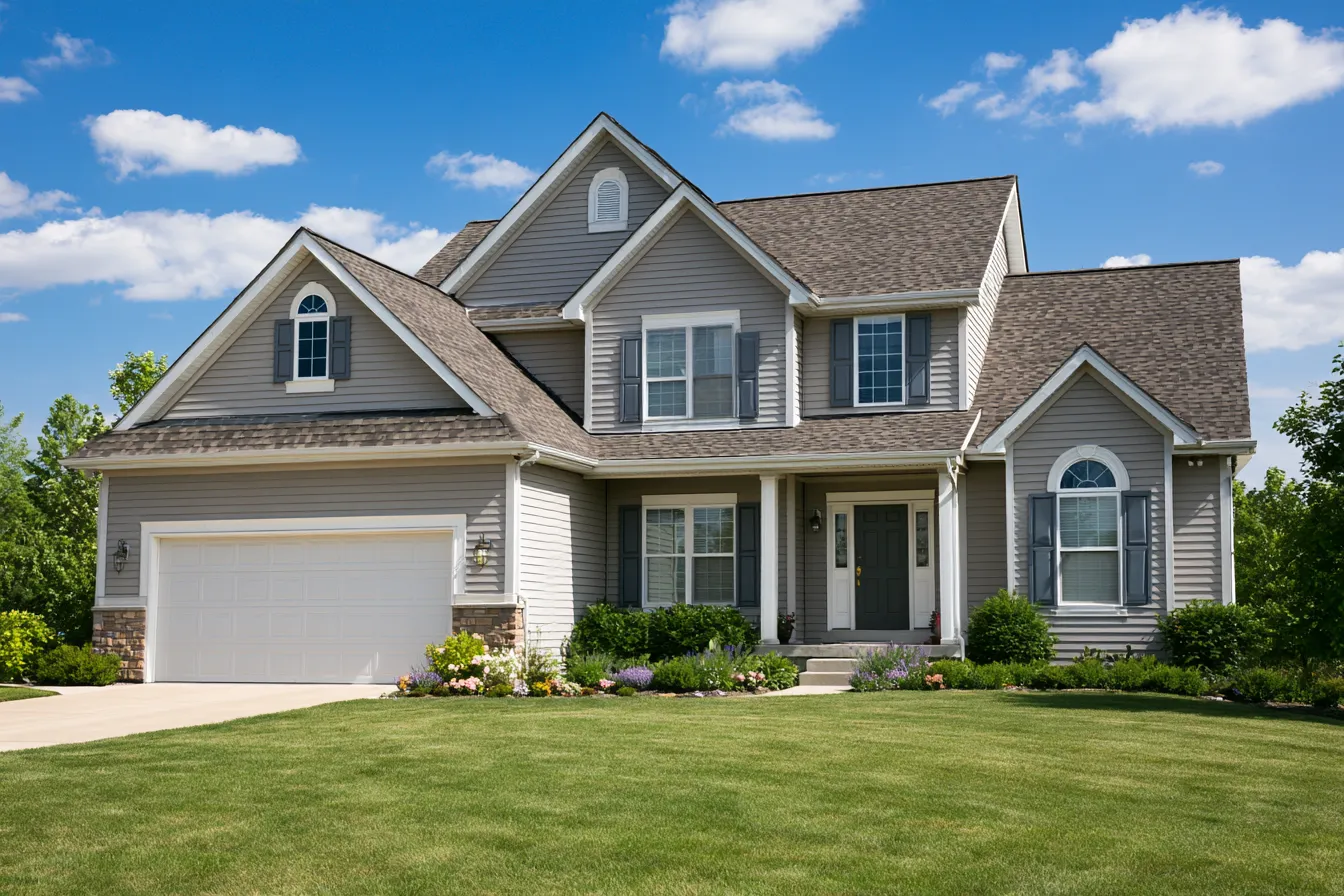
Gutter Installation in Coweta
Gutter installation in Coweta is drainage work. Sizing, hanger spacing and where the water is discharged decide whether they hold in a heavy Oklahoma downpour.
Gutters That Handle Coweta Rain
Gutter installation in Coweta, OK turns on capacity, because most overflow is not a blockage. It is capacity: a gutter sized for an average roof on an average day, meeting the volume that comes off a steep plane in a hard cell. Roof area and pitch set how much water arrives and how fast, and the gutter has to be sized to that rather than to the look of the house.
The second half is where the water goes once it leaves the downspout. Discharged at the foundation it becomes somebody else's problem later, usually a wet crawlspace or a settled corner.
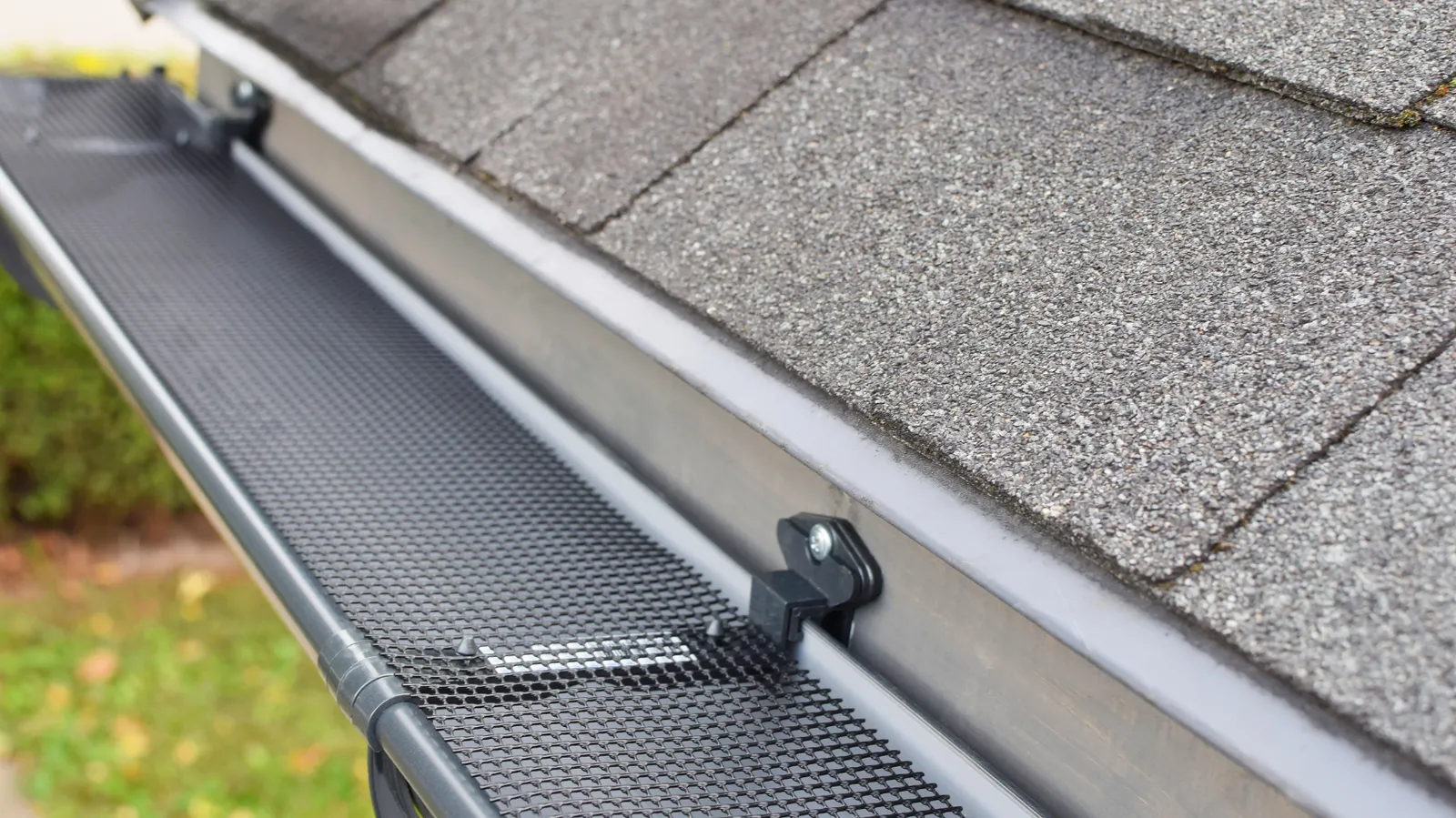
Sizing Coweta gutters to the roof above them
A gutter job is four decisions, and only one of them is the gutter itself. The other three are what decide whether it holds.
- 01Size
- Set from the roof area and pitch feeding each run, which is a measurement question and has nothing to do with how the house looks. A larger profile is what a bigger plane requires in order to keep up.
- 02Hangers and slope
- Spacing tightens where the volume is heaviest, and the run carries a deliberate fall toward the outlet. A full gutter is heavy enough that hanger spacing is a structural decision.
- 03Outlets and downspouts
- How many outlets a run needs and where they sit does more for capacity than the gutter profile does. Most runs that overflow are simply short an outlet.
- 04Where it discharges
- The downspout has to put the water somewhere it will keep going. Extensions and buried leads get decided with the layout instead of being added after the first heavy rain.
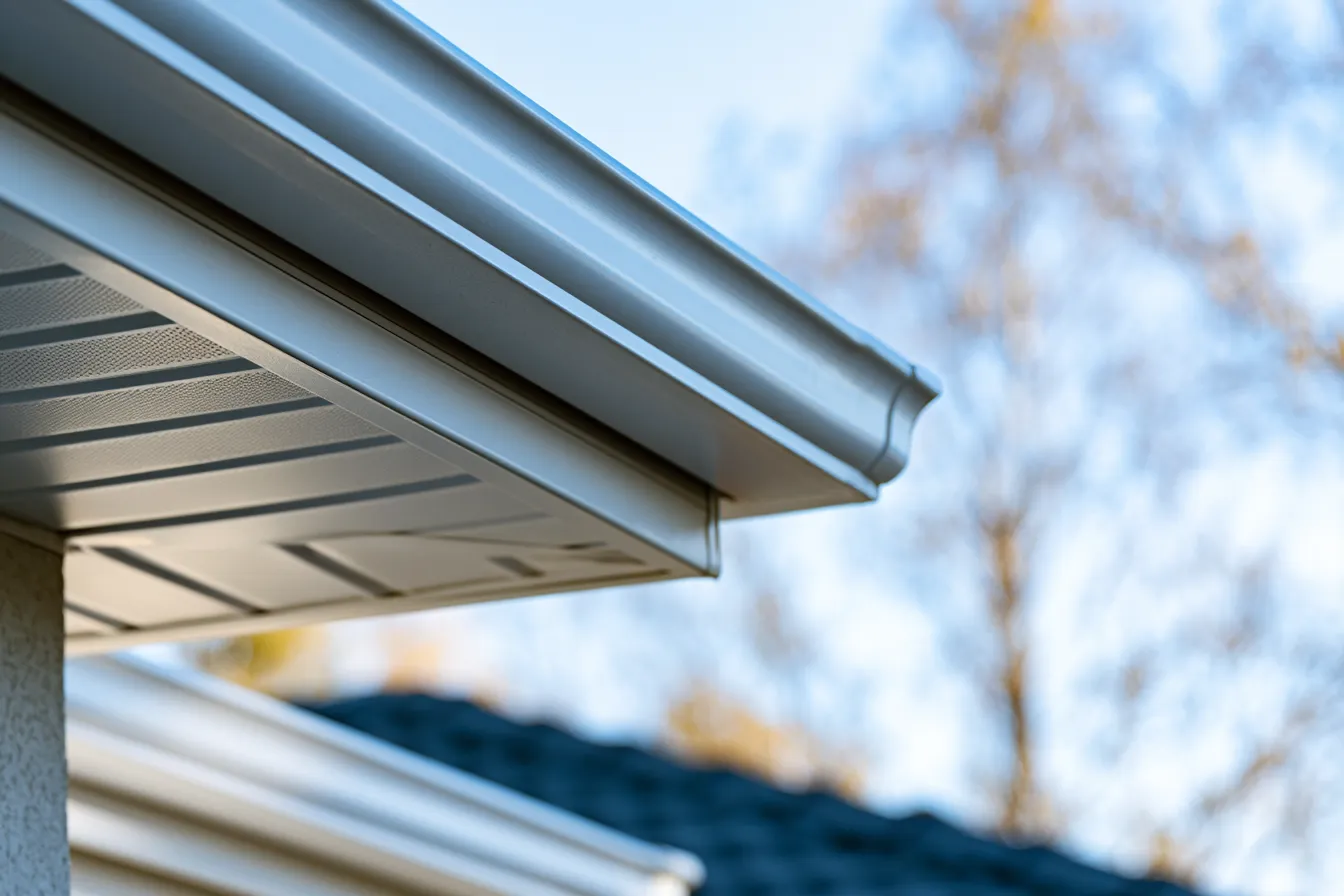
All four get settled off measurements taken at the house, not off a length in feet quoted over the phone.
How Coweta Gutter Work Gets Laid Out
The roof above sets the requirement, and an existing run usually explains its own failure once somebody reads it. The three steps below happen in that order because each one narrows what the next has to decide.
The old run gets read
Overflow marks, fascia staining and sag say where the failure was, and they usually point at outlet placement or at fall well before size comes into it. Replacing like for like repeats whatever was wrong.
The roof above gets measured
Plane area and pitch feeding each section determine the volume and the speed of it. Two runs on the same house can have very different requirements, which is why one profile across the whole roofline is often the wrong answer.
The layout goes on paper first
Outlet count and placement, hanger spacing, the fall of each run and where the water is sent are all fixed before material is ordered. Changing any of them afterward means taking the run back down.
Overflow, sag, and the stains underneath
Signs the gutters are undersized rather than blocked. Each sign below points at capacity more than debris.
- Water sheeting over the front edge during heavy rain while the gutter is visibly clear.
- Staining on the fascia behind the gutter, which is water going backward over the lip.
- Erosion or splash marks directly under a run, which points at volume.
- Ice or standing water sitting in a run after the rain has stopped, which is a slope problem.
Cleaning a gutter that is too small solves it until the next hard rain.
What gutter work costs on a Coweta house
Gutter work is quoted by the foot and then adjusted for what the roofline actually asks of it. Length is the simplest part of the number. Corners, outlets and downspout count move it more, and so does the profile the roof above requires.
Access matters as well, since a two-story fascia takes longer to work than a single-story eave. Doing gutters alongside a roof job is generally the cheaper route, because the eave detail and the drip edge have to agree with each other and setting them together avoids paying twice for the same access.
Start a Roof Estimate- Run length and corner count
- Outlets and downspout routing
- Profile the roof requires
- Access and story height
What A Coweta Roofline Asks Of Its Gutters
Most houses here were built in subdivisions, which means wide, uncomplicated rooflines with long uninterrupted eaves. That shape looks easy and it sets a particular trap, because a long run collects across its whole length and can only leave through the outlets somebody decided to put in it.
The result is that undersized is often the wrong diagnosis. The run is long, the outlets are few, and water travels the length of the gutter looking for an exit it does not reach in time.
- 01Outlet count over profile
- Adding an outlet to a long run frequently does more than moving up a gutter size, and it costs considerably less. The first question about an overflowing run is how many exits it has.
- 02Low pitch buys no relief
- A shallower plane sheds more slowly but it still sheds the same total volume, so a broad low roof delivers a large amount of water to the eave over a longer stretch of the storm. Arriving slowly makes the total no smaller.
The run is sized and laid out from the roof above it, which is the part of the job that happens before any gutter is ordered.
Gutter questions Coweta owners tend to ask
Q1Why do my gutters overflow when they are clean?
Q2Are seamless gutters better?
Q3Do I need gutter guards?
Q4Can gutters be done with a roof job?
Q5Is gutter work covered afterwards?
Have the runs measured before they are ordered
Say where the water is going and a local roofer sizes it properly. Have the runs measured before anyone quotes a length.